Hey there! As a supplier of N - Phenylacrylamide (Cas 2210 - 24 - 4), I've been getting a lot of questions about how this compound behaves in chromatography. So, I thought I'd share some insights based on my experience and the research I've done.
First off, let's talk a bit about chromatography. It's a super useful technique in chemistry for separating and analyzing mixtures. There are different types of chromatography, like gas chromatography (GC), liquid chromatography (LC), and thin - layer chromatography (TLC). Each type has its own way of separating compounds based on their physical and chemical properties.
When it comes to N - Phenylacrylamide, its behavior in chromatography is influenced by several factors. One of the key things is its chemical structure. N - Phenylacrylamide has a phenyl group and an acrylamide group. The phenyl group is relatively non - polar, while the acrylamide group has some polar characteristics due to the amide bond.
In liquid chromatography, which is one of the most common methods for analyzing organic compounds, the stationary phase and the mobile phase play crucial roles. The stationary phase is usually a solid or a liquid coated on a solid support, and the mobile phase is a liquid that moves through the stationary phase.
For N - Phenylacrylamide, in reversed - phase liquid chromatography (RPLC), which is widely used, the stationary phase is non - polar (like a C18 column). The non - polar phenyl group of N - Phenylacrylamide will interact with the non - polar stationary phase. This interaction causes the compound to spend more time on the column, resulting in a longer retention time. The mobile phase in RPLC is usually a mixture of water and an organic solvent like methanol or acetonitrile. By adjusting the ratio of the organic solvent in the mobile phase, we can control the retention time of N - Phenylacrylamide. If we increase the proportion of the organic solvent, the compound will elute faster because the mobile phase becomes more non - polar and competes with the stationary phase for the compound.
In normal - phase liquid chromatography, the stationary phase is polar (such as silica gel), and the mobile phase is non - polar. Here, the polar acrylamide group of N - Phenylacrylamide will interact with the polar stationary phase. So, it will also have a certain retention time on the column. However, compared to RPLC, the separation mechanism is different. The retention in normal - phase chromatography is mainly based on the polar interactions between the compound and the stationary phase.
Now, let's consider thin - layer chromatography. It's a simple and quick way to analyze compounds. In TLC, a thin layer of adsorbent (usually silica gel) is coated on a plate. We spot the sample on the plate and then place it in a developing chamber with a mobile phase. As the mobile phase moves up the plate by capillary action, the compounds in the sample separate based on their affinity for the stationary phase and the mobile phase. For N - Phenylacrylamide, when we use a suitable mobile phase (a mixture of solvents with different polarities), we can see it separate from other compounds in a mixture. The Rf value (retention factor), which is the ratio of the distance traveled by the compound to the distance traveled by the solvent front, can be used to identify and compare N - Phenylacrylamide in different samples.
In gas chromatography, things are a bit different. Since N - Phenylacrylamide has a relatively high boiling point, it may need to be derivatized (chemically modified) to make it more volatile and suitable for GC analysis. Once derivatized, it will be vaporized and carried through a column by an inert gas (the mobile phase). The separation in GC is based on the different interactions between the compound and the stationary phase in the column, which is usually a high - boiling - point liquid coated on a solid support.
The behavior of N - Phenylacrylamide in chromatography can also be affected by impurities. If there are impurities in the sample, they may co - elute with N - Phenylacrylamide or cause changes in its retention time. For example, if an impurity has a similar chemical structure and polarity to N - Phenylacrylamide, it may be difficult to separate them using a particular chromatography method.
Another aspect is the detection method in chromatography. Common detection methods include UV - Vis detection, mass spectrometry (MS), and fluorescence detection. N - Phenylacrylamide has an absorption in the UV region due to the presence of the phenyl group. So, UV - Vis detection can be used to detect it in chromatography. Mass spectrometry can provide information about the molecular weight of N - Phenylacrylamide and its fragmentation pattern, which helps in its identification.
It's also important to note that the purity of the N - Phenylacrylamide we supply can have an impact on its chromatography results. We take great care in the production process to ensure high - quality products. Our N - Phenylacrylamide is synthesized with strict quality control measures, which helps in getting consistent and reliable chromatography results.
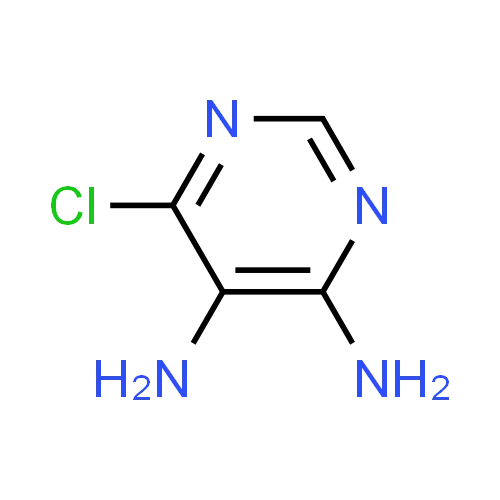
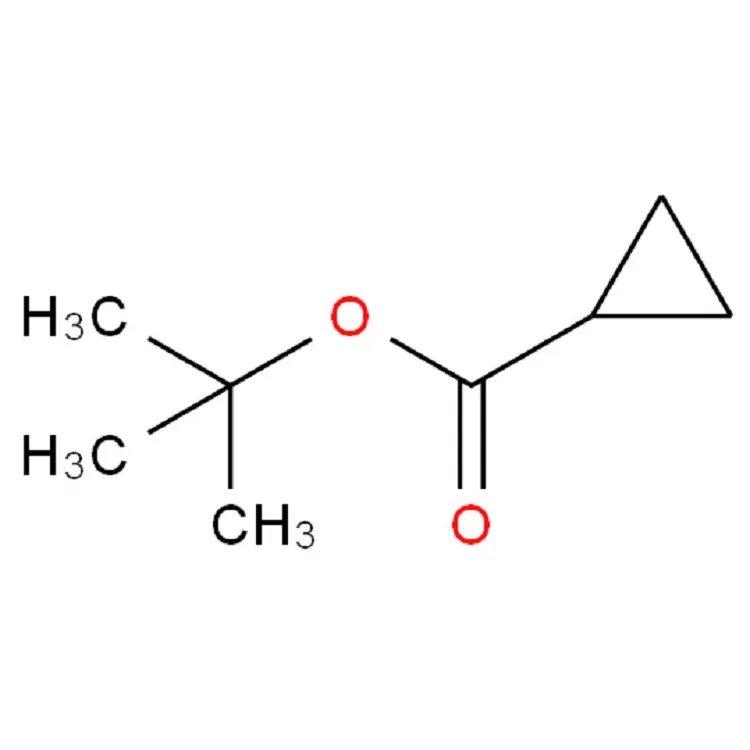
If you're interested in other related compounds, we also supply some building blocks like 4,6 - Difluoro - 2,3 - dihydro - 1H - inden - 1 - one CAS 162548 - 73 - 4, Tert - Butyl Cyclopropanecarboxylate Cas 87661 - 20 - 9, and 6 - Chloro - 4,5 - diaminopyrimidine CAS 4316 - 98 - 7. These compounds also have their own unique behaviors in chromatography, and they can be used in various chemical synthesis and research projects.
If you're working on a project that involves N - Phenylacrylamide or any of these related compounds and need high - quality products, feel free to reach out for a purchase and have a chat about your requirements. We're here to help you get the best - suited compounds for your work.
References:
- Snyder, L. R., Kirkland, J. J., & Dolan, J. W. (2010). Introduction to Modern Liquid Chromatography. Wiley.
- McMaster, M. (2008). Gas Chromatography Basics. Wiley - VCH.
- Fried, B., & Sherma, J. (2006). Handbook of Thin - Layer Chromatography. CRC Press.